Engineered Wood vs MDF: What’s Best For Your Project?
On this page 7 sections
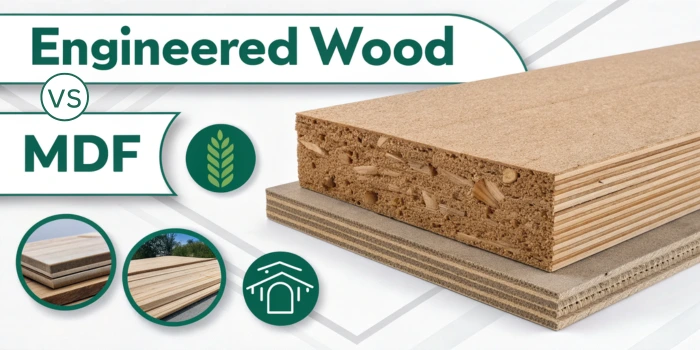
Choosing the right wood for furniture and interior design is important for durability, looks, and budget. Engineered wood and MDF (Medium-Density Fiberboard) are two popular options.
Engineered wood is strong, durable, and looks natural, making it great for long-lasting furniture. MDF is smooth, affordable, and easy to shape, ideal for painted designs or decorative pieces.
Understanding their pros and cons helps you pick the best one for your needs.
What Does Engineered Wood Mean?
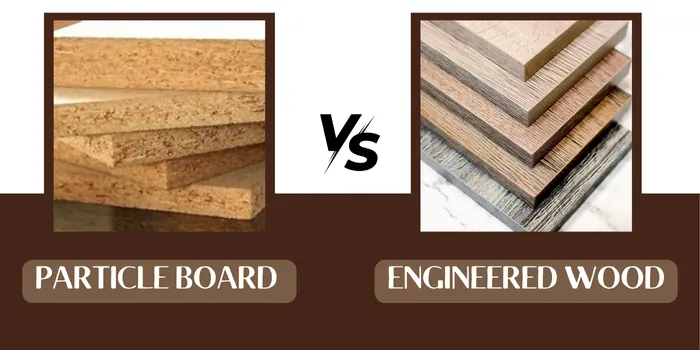
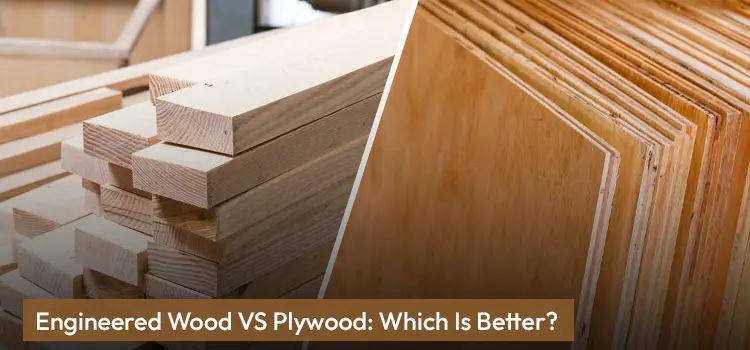
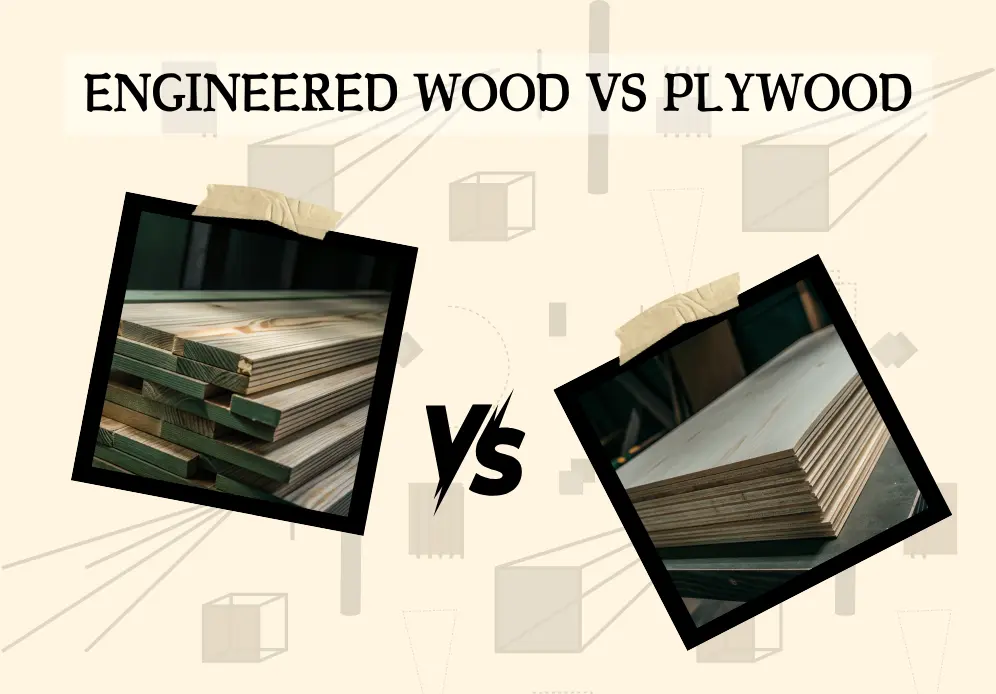
Engineered wood includes products such as plywood, particleboard, and OSB, which are made by bonding wood fibers or particles with adhesives. It mimics the look and strength of natural wood while offering better stability and versatility.
Key Features Of Engineered Wood:
- Durability: It is durable and resistant to warping, making it ideal for flooring and cabinets.
- Variety: Available in different grades and finishes, engineered wood can suit a wide range of projects.
- Moisture Resistance: Many of them are moisture-resistant, making them ideal for kitchens and bathrooms.
- Eco-Friendly: By utilizing wood scraps and fibers, engineered wood reduces waste and promotes sustainable practices.
What Does MDF Mean?
MDF is an engineered wood made by compressing wood fibers with resin and wax under high pressure. It’s a dense, smooth material often used in furniture, cabinets, and decorative items due to its easy-to-paint surface and versatility.
Key Features Of MDF:
-
Smooth Surface: Its fine texture allows for easy painting and veneering, giving it a polished finish.
-
Cost-Effective: It is more affordable than natural or high-grade engineered wood, making it budget-friendly.
-
Workability: Its uniform structure makes it easy to cut, drill, and shape without splintering.
-
Availability: It is readily available in various thicknesses and sizes, making it versatile for multiple applications.
Engineered Wood And MDF: Key Differences
| Aspect | Engineered Wood | MDF |
|---|---|---|
| Composition | Made from wood veneers, fibers, or particles with adhesives | Compressed wood fibers with resin and wax |
| Strength | Stronger, suitable for structural applications | Less strong, best for decorative purposes |
| Moisture Resistance | High, especially in treated variants | Low unless specially treated |
| Surface Finish | Natural wood grain textures | Smooth, ideal for paints and laminates |
| Cost | More expensive, especially higher-grade types | More affordable, great for budget projects |
| Weight | Lighter and easier to handle | Heavier due to density |
| Applications | Flooring, cabinetry, structural framing | Furniture, panels, interior doors |
Common Types Of Engineered Wood And MDF
Engineered Wood
- Standard Plywood
- Marine Plywood
- Particleboard
- OSB (Oriented Strand Board)
MDF
- Standard MDF
- Moisture-Resistant MDF
- High-Density MDF
Note: Prices vary depending on type, brand, quality, and location, so ask a supplier for a current quote.
Which One Should You Choose?
-
For Strength and Longevity: Choose engineered wood for structural use and high-wear areas like flooring and cabinetry.
-
For Budget-Friendly Projects: MDF is an economical option for furniture and decorative items.
-
For Moisture-Prone Areas: Opt for moisture-resistant engineered wood for kitchens and bathrooms.
-
For Aesthetic Flexibility: MDF’s smooth surface is perfect for painted finishes and intricate designs.
MRS Woodcraft is a great option if you’re looking to buy Engineered Wood or MDF. We offer both at affordable prices without compromising on quality. You can contact us on WhatsApp or fill out this form to Know more about the quality and pricing.
Conclusion
Engineered wood is great for strong, durable projects like flooring and cabinets, especially in moisture-prone areas. MDF is more affordable and perfect for decorative items or furniture that needs a smooth finish.
Choose based on your needs—whether it’s strength, budget, or appearance—to get the best results for your project.
Frequently Asked Questions
What’s The Difference Between Engineered Wood And MDF?
Engineered wood is stronger and moisture-resistant, ideal for structural use, while MDF is smoother and more affordable, perfect for decorative purposes.
Which Is Better For Structural Use?
Engineered wood is more durable and better suited for structural applications like flooring and cabinetry.
Is MDF Moisture-Resistant?
MDF has low moisture resistance unless specially treated, making it less suitable for high-moisture areas.
Can MDF Be Used Outdoors?
No, MDF is not ideal for outdoor use due to poor moisture resistance, even with treatment.
Is Engineered Wood More Expensive Than MDF?
Yes, engineered wood is generally pricier but offers greater durability and moisture resistance compared to MDF.