MDF Plywood Cost In India: Types & What Affects the Price
On this page 9 sections
When it comes to home improvement or furniture projects, knowing the right material is essential. One common debate is between MDF plywood prices and their alternatives.
Both MDF (Medium Density Fiberboard) and plywood are popular choices, but understanding their pricing can help you make the right decision.
Here’s a complete guide to the factors that influence MDF plywood prices and tips for choosing the right material.
What Is MDF?
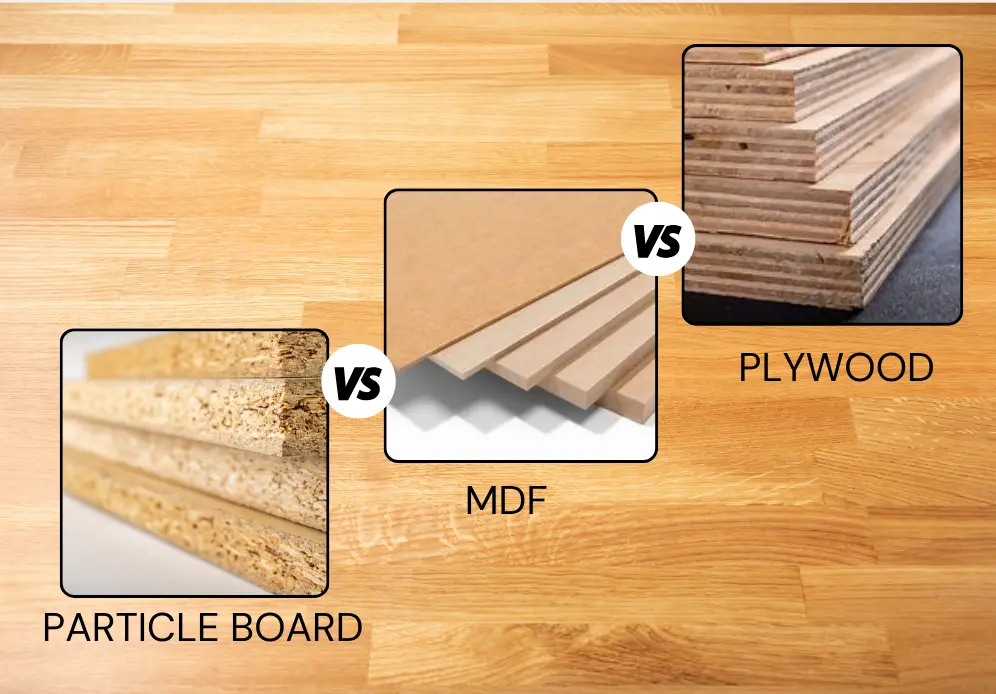
MDF, or Medium Density Fiberboard, is an engineered wood product that breaks down hardwood or softwood fibers and bonds them with wax and resin.
It’s known for its smooth finish, durability, and affordability. MDF is a popular choice for furniture, cabinetry, and interior design due to its ability to take paint well and its resistance to warping.
MDF Plywood Prices: A Quick Overview
When comparing MDF plywood prices, you’ll find that costs vary depending on several factors. On average, MDF is often less expensive than plywood due to its production process. However, both materials are widely available, and pricing depends on the quality, size, and region.
Why MDF Is Cheaper Than Plywood?
The primary reason MDF plywood prices differ is due to the manufacturing process. MDF is made from wood fibers that are compressed with resin, which makes it easier and cheaper to produce. Plywood, on the other hand, involves layering real wood veneers, which can drive up the cost.
Factors Influencing MDF Plywood Prices
Several factors influence MDF plywood prices, from the type of wood used to where you purchase the material. Here are the most critical factors:
1. Grade of Material
- MDF: MDF comes in different grades depending on its density and thickness. Higher-density MDF is more expensive but also more durable.
- Plywood: Plywood is graded from A to D, with A being the highest quality. Higher-grade plywood is more expensive, especially if it’s made from hardwood veneers.
2. Thickness
Both MDF and plywood come in different thicknesses, ranging from 1/4 inch to 1 inch or more. The thicker the material, the higher the price. If you’re using MDF or plywood for heavy-duty construction, you may need thicker sheets, which will increase the cost.
3. Type of Wood
For plywood, the type of wood veneer used impacts the price. Hardwood veneers like oak, maple, or birch are more expensive than softwood veneers like pine. MDF doesn’t use real wood veneers, which helps keep the cost lower.
4. Finish and Coating
- MDF: Pre-primed MDF or MDF with a specialized finish (e.g., moisture-resistant or fire-rated MDF) will cost more.
- Plywood: Plywood can also be treated for moisture resistance or fire retardancy, increasing the price.
5. Brand and Supplier
Brand reputation and the store where you purchase MDF or plywood can also affect pricing. Local suppliers may offer cheaper deals compared to national chains or high-end brands.
6. Geographical
Geographical location plays a role in MDF plywood prices. Regions where timber is scarce might have higher plywood prices, while areas with more forests may offer cheaper options. Shipping costs also add to the price if you’re buying large quantities or custom-cut sheets.
Tips For Buying MDF Plywood
1. Compare Prices
Different suppliers offer different rates, so it’s essential to compare prices before making a purchase.
2. Check for Certifications
Ensure the MDF plywood you’re buying meets relevant quality and environmental standards.
3. Consider Long-Term Durability
Investing in higher-quality MDF plywood can save money long-term with better durability.
4. Buy in Bulk
If you have a large project, buying MDF plywood in bulk can help reduce costs significantly.
Specialty MDF And Plywood: How It Affects Prices
In addition to standard MDF and plywood, there are specialty options that can impact pricing. Here’s a look at some of the more expensive variants:
1. Moisture-Resistant MDF
Moisture-resistant MDF is treated to prevent swelling and damage in high-humidity areas, like bathrooms or kitchens. It costs more than regular MDF.
2. Fire-Rated MDF
Fire-rated MDF is designed to meet building codes that require fire resistance. It’s used in commercial projects or areas where fire safety is a concern, and it is more expensive than standard MDF.
3. Marine-Grade Plywood
Marine-grade plywood is made with waterproof adhesive, making it ideal for outdoor or marine environments. This type of plywood is much more expensive.
4. Hardwood Plywood
Plywood made from hardwood veneers like oak, maple, or birch is pricier due to the high-quality wood.
How To Save On MDF Plywood Prices?
Here are some practical tips for saving money on MDF plywood prices:
1. Buy in Bulk
Many suppliers offer discounts when you buy MDF or plywood in bulk. This is particularly useful if you’re working on a large project or need multiple sheets.
2. Shop Around
Prices can vary between suppliers, so it’s worth shopping around to find the best deal. Online stores often have lower prices than local hardware shops, but be sure to factor in shipping costs.
3. Consider Offcuts
Some stores sell offcuts or remnants at discounted prices. If your project doesn’t require full sheets, this is a great way to save.
4. Look for Sales
Check for seasonal sales or special promotions at local hardware stores. You can often find MDF and plywood on sale during holiday promotions or clearance events.
Conclusion
When considering MDF plywood prices, weighing the pros and cons of each material based on your project needs is essential. MDF is an affordable, smooth option for indoor furniture and design, while plywood offers superior strength and moisture resistance.
By understanding the factors that affect pricing and knowing where to buy, you can make a cost-effective choice that delivers quality results for your project.
Frequently Asked Questions
What Is MDF?
MDF (Medium Density Fiberboard) is a durable, smooth, and affordable engineered wood made from compressed wood fibers, resin, and wax. It’s ideal for furniture and interior design.
What Factors Influence MDF And Plywood Prices?
Key factors include material grade, thickness, type of wood, finishes or treatments (e.g., moisture resistance), brand, supplier, and geographical location.
Is MDF Strong Enough For Furniture?
Yes, MDF is strong enough for most furniture applications, especially for indoor use. However, for heavy-duty or moisture-prone areas, plywood is a better choice.
What Is The Best Thickness For MDF?
For most furniture projects, 1/2-inch or 3/4-inch MDF is the best choice. Thicker MDF offers better durability but is heavier and more expensive.
Can MDF Be Used Outdoors?
MDF is not recommended for outdoor use unless it is moisture-resistant or treated. Standard MDF is prone to swelling and damage when exposed to moisture.